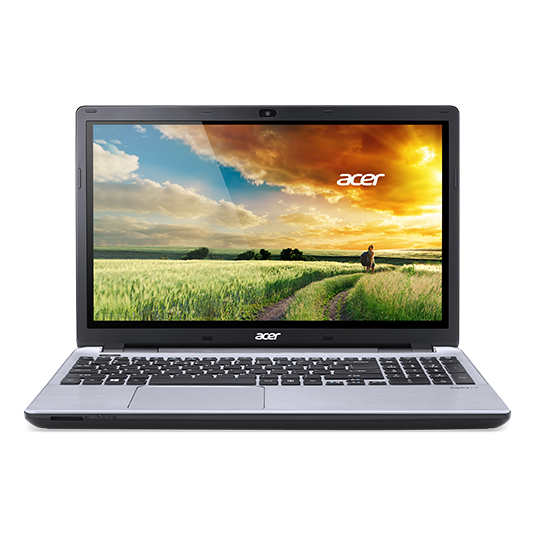
Choosing a suitable device for seamless cloud-based gaming is crucial. Focus on models equipped with advanced processors and high-quality graphics capabilities, as they significantly enhance gameplay fluidity. Aim for systems with at least 16GB of RAM to ensure smooth multitasking and responsiveness during intense sessions.
Prioritize those that feature dedicated graphics options, which can significantly improve visual quality and reduce latency. Look for screens with refresh rates of 120Hz or higher to guarantee a more dynamic and smooth visual experience. Additionally, reliable connectivity, such as Wi-Fi 6 support, ensures robust online performance, minimizing lag during multiplayer interactions.
Battery life also plays a key role. Select machines that can last at least 8 hours on a single charge, allowing for extended play without interruptions. Weight and portability should be considered if mobility is a factor in your usage. Slimmer designs often combine power with convenience, making them ideal for gamers on the move.
Choosing the Right Hardware Specifications for Cloud Gaming
Minimum requirements should be prioritized when selecting hardware for cloud-based gaming platforms. A powerful CPU enhances responsiveness during gameplay. Aim for processors with at least four cores, capable of handling simultaneous tasks without lag. Dual-core processors might struggle with more demanding titles.
Memory is equally significant, and 8GB RAM is recommended as a baseline. However, opting for 16GB ensures smoother multitasking, especially when streaming or running other applications in the background. Insufficient RAM can lead to stuttering and decreased frame rates.
Additionally, powerful graphics card capabilities are not necessary since processing occurs in the cloud. However, a dedicated GPU improves local performance, particularly in rendering any graphics-intensive tasks outside cloud services.
| Specification | Recommended | Minimum |
|---|---|---|
| CPU Cores | 4 or more | 2 |
| RAM | 16GB | 8GB |
| Dedicated GPU | Yes (optional) | No |
Display technology can enhance visual clarity and responsiveness. Look for screens with a refresh rate of at least 60Hz and low response times. IPS panels typically provide better color reproduction compared to TN panels, resulting in an immersive experience.
Lastly, ensure stable connectivity options. A wired Ethernet connection is preferable for reduced latency, but Wi-Fi 5 or above can suffice for most users if the signal strength is reliable. Check for a wireless router that can support high speeds to prevent disruptions during active play.
Top 5 Laptops Optimized for GeForce Now Performance
The ASUS ROG Zephyrus G14 stands out with its combination of powerful AMD processors and GeForce RTX graphics. This model features a high-refresh-rate display, providing a fluid and responsive interface during cloud play. With its compact design, it balances portability and performance, making it an excellent choice for gamers who value both aesthetics and functionality.
Next in line is the Dell XPS 15, which integrates a stunning 4K OLED panel. The vivid colors and deep contrasts enhance visual enjoyment significantly. It packs a solid NVIDIA GPU that ensures smooth streaming and enables users to enjoy games without noticeable lag. Its sleek design also appeals to professionals who prefer an understated look.
The Lenovo Legion 5 series offers remarkable thermal management. It comes equipped with a robust cooling system that maintains optimal performance during extended sessions. Features like customizable RGB keyboard and various display options cater to different preferences, making it suitable for a broad audience.
Lastly, the Razer Blade Stealth 13 combines portability with power. Its lightweight chassis and impressive battery life appeal to those who need a ready-to-go solution. The combination of a high-quality build and excellent performance metrics collectively enhances the overall cloud computing experience.
Budget-Friendly Options: Laptops That Deliver Great Value
Consider the Acer Aspire 5, which comes equipped with Ryzen 5 or Intel Core i5 processors, providing solid performance for stream-based titles. With a dedicated graphics option and a 15.6-inch Full HD display, it strikes a balance between affordability and functionality. The laptop’s lightweight design makes it easy for portability, while its reasonable pricing ensures access to quality without breaking the bank.
Powerful Performance on a Budget
The ASUS VivoBook, another commendable choice, features configurations that include up to 16GB RAM and SSD storage. It supports smooth multitasking while handling various streaming platforms effortlessly. The ergonomic keyboard and adequate battery life enhance usability, making it suitable for extended sessions.
Compact and Versatile
A smaller alternative would be the Lenovo IdeaPad 3, which offers customizable options ranging from basic processors to more robust Intel chipsets. Its compact size is ideal for users who prefer mobility without compromising performance. The integrated audio and display quality enhance overall engagement, ensuring a pleasant visual experience during streaming.
Lastly, the HP Pavilion series provides models that combine decent specs and a stylish design. Featuring a comfortable keyboard and upgraded thermal management, this line empowers users with sufficient power for seamless cloud-based interaction. This series is a great avenue for those aiming for practicality alongside style.
Connectivity Requirements for an Optimal Gaming Experience
For seamless gameplay, a minimum internet speed of 15 Mbps is essential. Lower speeds can lead to lag and interruptions, adversely affecting performance. A wired Ethernet connection is often preferable over Wi-Fi, as it tends to provide a more stable and reliable signal. If a wired connection is not feasible, a dual-band router can help improve wireless connectivity by reducing interference from other devices.
Latency plays a pivotal role in the quality of streaming. Aim for a ping rate under 30 milliseconds for an enjoyable session. Higher latencies can result in noticeable delays, detracting from control responsiveness. Use network diagnostic tools to test both download and upload speeds, ensuring they meet or exceed the minimum benchmarks. Prioritize connections with low latency for an improved experience.
Network congestion can also influence performance. During peak usage times, speeds may dwindle, leading to a subpar experience. Implement Quality of Service (QoS) settings on your router to prioritize gaming traffic. This allocation can help mitigate lag when multiple devices access the network simultaneously.
Regularly updating your router’s firmware can enhance security and optimize performance. Check compatibility with available devices and monitor for updates periodically. Additionally, consider the use of a VPN for enhanced privacy, but ensure it does not introduce excessive latency to your connection.
Q&A: Geforce now laptop
What is NVIDIA GeForce NOW Cloud Gaming, and how does it work in 2026?
NVIDIA GeForce NOW is a cloud gaming service that allows users to play games on remote servers instead of relying entirely on local gaming hardware. The geforce now cloud gaming platform streams gameplay to a compatible PC, laptop, smart TV, or handheld device. Unlike services that provide a complete library of games through one subscription, GFN primarily connects to supported titles from existing digital game stores. This makes gaming in the cloud attractive for users without a powerful GPU. However, the gaming experience depends on internet stability, game compatibility, and membership features.
How do you download and install the GeForce NOW app on Windows?
To download geforce now for windows, visit NVIDIA’s official website and select the Windows version of the geforce now app. Install the software, launch the geforce now client, and sign into your NVIDIA account. You can then connect supported gaming storefront accounts, including Steam, Epic Games Store, and Ubisoft Connect. The application helps identify compatible games from your existing library. Unlike traditional PC gaming, games are processed via the cloud rather than installed directly on your primary computer. This allows even a laptop with integrated graphics to access demanding games when the device meets streaming requirements.
What are the system requirements for GeForce NOW on a gaming PC or laptop?
The system requirements for GeForce NOW are generally much lower than those of demanding locally installed PC games. On Windows, NVIDIA specifies a compatible processor, at least 4GB RAM, suitable graphics decoding capabilities, and a supported operating system. A gaming laptop with NVIDIA GeForce GTX or RTX graphics can use the service, but a dedicated graphics card is not mandatory for basic streaming. Higher resolutions and frame rates require stronger decoding support, compatible displays, and faster internet connections. For the best experience, use Ethernet or a reliable 5GHz Wi-Fi connection to minimize latency and interruptions during gaming sessions.
What is the difference between GeForce NOW Performance and Ultimate memberships?
GeForce NOW offers different membership levels with varying streaming capabilities and session benefits. The geforce now ultimate tier provides the highest-performance options, including access to RTX 5080-class virtual gaming hardware for supported titles, subject to availability. Earlier Ultimate configurations used RTX 4080-class systems. The Performance membership targets users who want enhanced cloud streaming without the highest available specifications. A premium membership may provide access to higher resolutions, extended gaming sessions, and additional RTX features. Users should compare current membership conditions, supported games, and regional availability before selecting a subscription.
Can GeForce NOW Ultimate stream games in 4K resolution at 120 FPS?
Yes, geforce now ultimate supports high-resolution streaming, including 4k resolution at up to 120 fps on compatible devices. Selected supported configurations can also offer higher resolutions or frame rates, such as 1080p at up to 360 FPS. However, actual performance depends on the game, display, network connection, and available cloud hardware. Features such as ray tracing and NVIDIA Reflex can enhance visual quality or responsiveness in compatible titles. Reaching maximum specifications requires suitable membership privileges and sufficient internet bandwidth. Not every game supports every advertised resolution or frame rate.
Can you play Steam, Epic Games, and Ubisoft games through GeForce NOW?
GeForce NOW supports selected games from major PC storefronts, including Steam, Epic Games Store, and Ubisoft Connect. Users can connect compatible accounts and access supported Steam games, Ubisoft titles, and Epic Games purchases through the streaming service. Popular examples include Fortnite and Cyberpunk 2077, subject to current availability and account requirements. However, not every title in a user’s game library is playable through GeForce NOW. Access to games on geforce now depends on publisher participation, platform compatibility, and licensing conditions. The service also supports selected Xbox PC Game Pass titles, although individual game availability varies.
Does GeForce NOW work on Steam Deck and other gaming handheld devices?
GeForce NOW supports compatible gaming handheld devices, including the Steam Deck. NVIDIA provides an installation method for the Steam Deck that integrates the service with the device’s gaming interface. This allows users to stream supported PC games without relying entirely on the handheld’s local graphics processing capabilities. Other Windows-based handheld systems can access the service through compatible applications or browsers. A connected gamepad or built-in controller provides convenient input during gameplay. However, streaming resolution, available FPS, and control compatibility depend on the device and membership. A stable internet connection remains essential for mobile gaming.
Can you use GeForce NOW on Samsung Smart TVs, Google TV, and NVIDIA SHIELD TV?
GeForce NOW works on selected Samsung Smart TV models, NVIDIA SHIELD TV devices, compatible Google TV hardware, and supported Amazon Fire TV devices. The exact tv support depends on the manufacturer, model, operating system, and installed application version. A compatible wireless controller or wired gamepad is generally required to play games on television platforms. Some devices support higher streaming resolutions than others, so 4K output is not guaranteed across every TV. GeForce NOW can provide a convenient alternative to connecting a gaming PC or console directly to the television, particularly for users with reliable broadband connectivity.
How does internet latency affect GeForce NOW gameplay and input lag?
Latency is one of the most important factors affecting cloud gaming performance. Unlike local gameplay, game streaming requires controller inputs to travel to a remote server before the resulting video is transmitted back to the player. Higher network latency can increase input lag, particularly in competitive games where fast reactions are important. NVIDIA Reflex can reduce certain sources of latency in supported games and streaming configurations. However, it cannot eliminate delays caused by unstable internet connections or distant servers. GeForce NOW operates infrastructure across regions including North America and Europe, so connecting to a nearby supported data center can improve responsiveness.
Is NVIDIA GeForce NOW worth using instead of buying a gaming PC in 2026?
GeForce NOW can be a practical alternative to expensive gaming hardware for users who already own supported PC games and have reliable internet access. The service offers access to powerful cloud GPUs without requiring a high-end gaming computer. It is particularly attractive for casual gamers, laptop users, and people who want to play games across multiple devices. However, local PC gaming provides greater control over installations, modifications, offline access, and hardware settings. GeForce NOW also requires ongoing membership payments for premium features, and supported titles can change. The better option depends on your game library, internet quality, preferred devices, and long-term gaming budget.