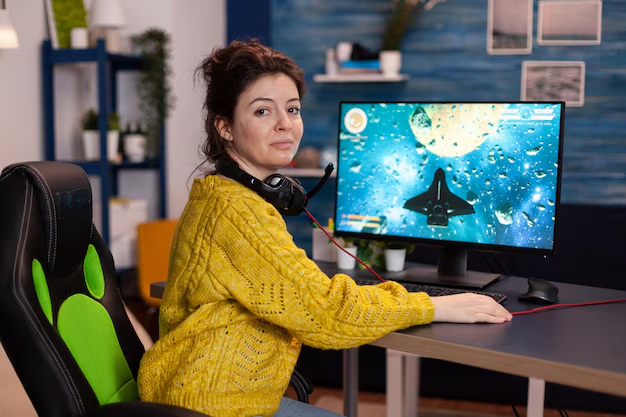
Lowering graphical settings in your preferred titles can lead to an immediate boost in performance. Adjusting resolutions and disabling features such as anti-aliasing and shadow effects can significantly alleviate strain on system resources.
Regularly updating your graphics drivers is crucial. Keeping these drivers up to date ensures compatibility with new releases and optimizes performance. These updates often come with enhancements that can positively influence frame rates during gameplay.
Consider monitoring your system’s thermal performance. Overheating can lead to throttling, which directly impacts frame rates. Utilize cooling pads or external fans to maintain optimal temperatures during extended gaming sessions.
Free up system resources by closing unnecessary background applications. Use task management tools to identify and terminate processes that are consuming CPU and RAM, allowing your hardware to prioritize gaming tasks more effectively.
Lastly, upgrading hardware components, when possible, can deliver substantial improvements. Increasing RAM or switching to a solid-state drive (SSD) enhances load times and overall system responsiveness, contributing to a smoother gaming experience.
Adjusting In-Game Graphics Settings for Better Performance
Lowering the resolution is one of the quickest ways to improve performance. Try reducing it to 720p or even lower, depending on your display. Additionally, turning off anti-aliasing can significantly reduce the load on the GPU without a major impact on visual quality. Other settings such as shadows, reflections, and texture quality can also be scaled back; using medium or low settings often yields noticeable gains. If you’re experiencing stuttering or lag, disable V-Sync and limit the frame rate, which helps stabilize performance without compromising experience.
Another effective method is to utilize presets within the game. Most titles offer performance presets like ‘Low’, ‘Medium’, or ‘High’, which adjust multiple settings at once. Begin with a preset like ‘Low’ and gradually increase specific settings if your system can handle it. Disable or reduce features like motion blur and ambient occlusion, which can hinder performance without enhancing gameplay significantly. Regularly monitoring the performance impact with various settings enables better fine-tuning for optimal engagement during sessions.
Updating Drivers and Software to Enhance Frame Rates
Regularly check for updates to your graphics drivers and system software to maximize performance. Start by visiting the manufacturer’s website to download the latest drivers compatible with your hardware. Using Device Manager can also facilitate this process by easily identifying outdated drivers. Keeping your operating system up to date helps eliminate bugs and compatibility issues that may impede smooth performance.
In addition to graphics and system drivers, ensure that the software used for gaming is up to date. This includes game patches and any related applications. Outdated versions can suffer from inefficiencies and compatibility problems, which may contribute to lower performance. Consider enabling automatic updates where possible for convenience. Regular maintenance of this aspect can significantly contribute to a smoother and more enjoyable experience.
Utilizing Game Mode and Performance Settings in Windows
To enhance dynamic performance during gameplay, activate Game Mode in the settings. This feature prioritizes game processes, ensuring that resources are allocated effectively. Access it by navigating to Settings > Gaming > Game Mode and toggle it on. Once enabled, Windows will prioritize CPU and GPU resources for your titles, which can lead to a more fluid experience.
Adjusting Performance Settings
Fine-tune performance by modifying power settings. Head to the Control Panel, choose Hardware and Sound, then select Power Options. Opt for the High Performance plan to maximize system output. This adjustment increases power consumption but significantly boosts responsiveness, minimizing lag during intense sequences.
| Setting | Description |
|---|---|
| Game Mode | Optimizes CPU and GPU for gaming applications |
| High Performance Plan | Maximizes system resources for demanding tasks |
| Background Apps | Limit or disable background processes to free up resources |
Consider limiting background applications that consume system resources. In Settings > Privacy > Background apps, disable any unnecessary programs. This reduction can lead to noticeable gains in gameplay smoothness and significantly enhance your experience while focusing on your activities.
Improving Cooling Systems to Prevent Thermal Throttling
Invest in a high-quality cooling pad. These devices enhance airflow around the machine, preventing heat build-up during intense use. Many options are available that include multiple fans capable of increasing the cooling efficiency significantly.
Regularly clean the vents and fans. Dust accumulation can impede airflow, leading to higher internal temperatures. Use compressed air or a small brush to clear out any debris, ensuring adequate ventilation and optimal performance.
Consider repasting the CPU and GPU with high-performance thermal paste. Stock thermal compound can degrade over time, causing less effective heat transfer. Reapplying a premium thermal paste can improve heat dissipation and lower temperatures during demanding sessions.
Adjust fan settings through software. Many systems allow users to modify fan speed profiles. Increasing the fan’s RPM can help manage temperatures under heavy loads, though it may lead to increased noise levels.
Optimize the internal layout. Ensure that cables and components do not obstruct airflow within the chassis. Reorganizing or securing cables can improve the overall cooling performance by allowing the cooler air to reach critical components more efficiently.
Use a cooling pad with adjustable height settings. Elevating the rear of the device can enhance airflow under the chassis. Improved airflow can lead to lower component temperatures, especially during resource-intensive tasks.
Monitor temperature levels using diagnostic software. Keeping an eye on CPU and GPU temperatures can help identify when overheating is a concern. Make adjustments as needed, like increasing cooling efforts or lowering performance settings.
Seek out external cooling solutions. Some users benefit from desktop-style cooling systems designed for laptops. These devices can offer additional airflow or even liquid cooling capabilities, pushing thermal limits higher and enhancing overall performance.
Upgrading Hardware Components for Increased Gaming Capability
Consider replacing the existing RAM with higher capacity and speed modules. Upgrading from 8GB to 16GB or more can significantly impact multitasking and game performance. Look for modules with a minimum speed of 3200MHz for optimal results. Ensure compatibility with your motherboard by checking the specifications before making a purchase.
- Focus on GPUs: If your laptop allows it, swapping an integrated graphics card for a dedicated one can provide a substantial boost.
- Storage upgrades: Switching from a traditional hard drive to an SSD can decrease load times dramatically.
- Cooling system: Enhancements to the cooling solution can maintain better performance by preventing thermal throttling.
Power supply units are often overlooked yet crucial. Make sure your power source meets the demands of new components and supports higher wattage for the GPU. An inadequate PSU can result in performance drops or system instability. Evaluating your power requirements and upgrading accordingly can make a noticeable difference.
Q&A: Low fps gaming laptop
Why does a gaming laptop experience low FPS while playing games in 2026?
Low fps on a gaming laptop can result from insufficient GPU performance, high CPU usage, thermal throttling, or restrictive power settings. When running games, the laptop must balance processing power, graphics performance, and cooling efficiency. A sudden drop in frame rate may also occur because of outdated graphics drivers, background applications, or insufficient RAM. Even a good gaming laptop can experience performance problems when its dedicated GPU is not being used correctly. To diagnose the issue, monitor CPU and GPU utilization, temperatures, and memory usage. Understanding which component limits performance is essential before attempting an fps boost.
How can you boost FPS on a gaming laptop running Windows 11?
To boost fps on a Windows 11 gaming laptop, start by connecting the original charger and selecting an appropriate high performance power mode. Open Settings, navigate to Gaming, and enable Game Mode if it is available and beneficial for your configuration. Close unnecessary background applications and ensure your graphics drivers are up to date. Reducing resolution and graphics quality can also improve performance in games. For additional optimization, check whether the laptop uses its dedicated GPU rather than integrated graphics. These adjustments can improve the gaming experience, although actual FPS gains depend on hardware capabilities and the specific game.
Why does laptop FPS suddenly drop from 60 FPS to 20 FPS or lower?
A sudden fps drop from 60 fps to 20 fps can indicate thermal throttling, power limitations, or unexpected background activity. When the CPU or GPU reaches a thermal or electrical limit, the system may reduce clock speeds to protect the hardware. In severe cases, frame rates can drop to 5-10 FPS temporarily. Use Task Manager and temperature-monitoring software to identify unusual resource usage. If the problem appears only during extended gaming sessions, inspect cooling performance and airflow. A cooling pad may help certain laptops, but it cannot fix defective fans or insufficient thermal contact.
How do you force a gaming laptop to use its dedicated NVIDIA GPU instead of integrated graphics?
To ensure a game uses the dedicated gpu, open Windows Settings, select System, Display, and Graphics, and configure the application’s graphics preference. Choose High performance when the dedicated graphics processor is available. On some compatible systems, NVIDIA Control Panel also provides graphics configuration options under Manage 3D Settings. Older driver interfaces may show a high performance nvidia processor selection, but Windows often controls per-application GPU preferences on modern laptops. After applying changes, restart the game and verify GPU activity. Switching from integrated graphics to a capable NVIDIA GeForce RTX GPU can substantially improve gaming performance when the integrated processor was previously handling rendering.
Can NVIDIA Control Panel settings improve FPS in games?
The nvidia control panel provides several options that can influence gaming performance on compatible graphics hardware. Under Manage 3D Settings, users can configure features such as power management, texture filtering, and frame rate limits. Selecting a performance-oriented power management mode may help maintain graphics clock speeds in certain workloads, although it can increase power consumption and temperatures. For an RTX 4060 or another NVIDIA GPU, the most effective settings depend on the game. Avoid changing every option simultaneously because some adjustments reduce image quality without producing meaningful FPS improvements. Compare performance before and after each modification.
Does enabling high performance mode improve gaming laptop FPS?
High performance mode can improve gaming laptop fps when restrictive power settings are limiting the CPU or GPU. On supported Windows systems, select the appropriate power mode through Settings or the manufacturer’s performance utility. Some laptops also provide additional power plans through Control Panel and Power Options. The Ultimate Performance plan is not available on every Windows edition or laptop, and enabling it does not guarantee higher FPS. If the system is already operating at its thermal or power limits, increasing performance settings may provide little benefit. Remember that aggressive power profiles can increase fan noise, electricity consumption, and reduce battery life.
Can outdated GPU drivers or BIOS settings cause low FPS on a laptop?
Yes, outdated or malfunctioning software can contribute to low fps and unstable gameplay. Graphics driver issues may affect compatibility with newer games, while BIOS and drivers can influence power management, hardware detection, and system stability. For NVIDIA graphics, obtain compatible drivers from NVIDIA or the laptop manufacturer. AMD Radeon and Intel graphics users should follow equivalent manufacturer guidance. If performance problems begin immediately after a driver update, a supported roll back procedure may help identify the cause. Keep BIOS updates separate from routine troubleshooting because firmware changes require additional precautions. After completing a relevant update, restart the computer and retest performance.
Is 8GB RAM enough for gaming, or can upgrading memory improve FPS?
A gaming laptop with 8 gb ram can run lightweight games, but limited memory may contribute to stuttering and inconsistent frame rates in demanding titles. Many modern AAA games benefit from 16GB RAM or more, particularly when background applications are active. If physical memory becomes exhausted, Windows may use storage-based paging, causing noticeable performance interruptions. Upgrading RAM can improve responsiveness and reduce some FPS drops, but it does not automatically increase average fps when memory capacity is already sufficient. Use Task Manager to inspect memory usage while gaming. Also check whether the laptop supports dual-channel memory, which can benefit integrated graphics performance.
Why does FPS drop in Valorant or other competitive games on gaming laptops?
Competitive games such as Valorant can be sensitive to CPU performance, memory configuration, and background activity. A gaming laptop with an Intel Core i5 or AMD Ryzen processor may achieve high frame rates when paired with suitable graphics hardware, but performance depends on the complete system. If FPS fluctuates between 144 fps and much lower values, inspect CPU utilization, temperatures, and active applications. A 144hz display improves visible smoothness when the system produces sufficient frames, but refresh rate alone cannot increase rendering performance. Adjusting graphics settings, reducing unnecessary background activity, and maintaining stable CPU clock speeds can help improve gameplay consistency.
How can you fix persistent low FPS on Lenovo, Dell, Acer, and MSI gaming laptops?
To fix persistent low fps on Lenovo, Dell, Acer, or MSI laptops, begin by identifying the exact model of your laptop and checking its hardware configuration. A Lenovo Legion 7i with dedicated RTX graphics has different performance capabilities from a Dell Inspiron with integrated graphics. Connect the correct power adapter, enable the manufacturer’s gaming performance profile, and verify CPU and GPU temperatures. Check that the installed graphics driver is compatible and inspect background processes using Task Manager. If the FPS issue continues, compare results with reliable benchmarks for the same hardware. Persistent problems may indicate cooling faults, power delivery limitations, or software conflicts rather than insufficient graphics performance alone.