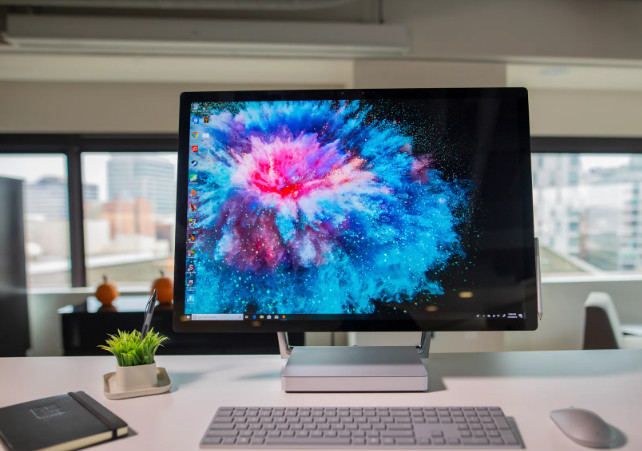
Typically, high-performance portable gaming machines can operate effectively for around 3 to 5 years, provided they are maintained correctly and used within their intended parameters. Factors like thermal management, hardware upgrades, and system updates play significant roles in the overall lifespan of these devices.
Regular maintenance is key to prolonging usability. Cleaning dust from vents and fans will aid in keeping temperatures down, which is essential for optimal performance. Additionally, taking advantage of upgrade options for memory and storage can refresh the unit’s capabilities without the need for a complete replacement.
Advancements in technology and software have a direct impact on usability. As new titles demand increasingly powerful specifications, the age of the hardware will ultimately dictate its effectiveness with cutting-edge games. Monitoring software updates and operating system compatibility will also ensure continued functionality and security throughout the device’s life.
In summary, with proper care, these machines can serve as reliable companions for several years, but awareness of evolving requirements is crucial for maintaining a satisfactory experience.
Average Lifespan of Gaming Laptops Under Regular Use
Typically, the lifespan of a portable gaming machine can range from three to seven years, depending on several key factors.
The first consideration is the quality of components. Higher-end models equipped with top-grade CPUs and GPUs tend to last longer due to increased performance and efficiency. Regularly investing in stronger parts can extend the overall durability.
Environmental Impact
- Maintaining a cool, dry environment can prevent overheating and moisture damage.
- Avoiding dusty conditions helps keep internal components clean and reduces the risk of hardware failure.
Another significant element involves software maintenance. Routinely updating operating systems and drivers ensures optimal performance and security, ultimately contributing to longevity.
Battery health also plays a vital role. Following proper charging practices and avoiding complete discharges can enhance the battery’s lifespan, which directly affects usability.
Usage Patterns
- Casual use generally results in a longer lifespan compared to intense gaming sessions.
- Multi-tasking, such as streaming while gaming, can wear down hardware faster.
In summary, several factors including component quality, environmental considerations, software maintenance, battery care, and usage patterns combine to influence the durability of a portable gaming machine. Understanding these factors allows users to maximize the efficiency and life of their devices.
Impact of Hardware Components on Longevity
The quality of critical components plays a significant role in determining the lifespan of portable gaming machines. Processors with robust architectures and higher thermal tolerances tend to last longer, as they can handle demanding tasks without overheating. Consider choosing models with processors from recent generations, which offer enhanced efficiency and performance metrics. Additionally, effective cooling mechanisms can diminish thermal throttling, prolonging performance stability over extended periods.
Graphics Processing Unit (GPU) Significance
The GPU’s capabilities heavily influence the device’s longevity. Opting for units featuring dedicated graphics cards ensures better performance in resource-intensive scenarios. Users should prioritize models with ample video memory, which aids in running contemporary title releases with demanding graphical requirements. Keeping drivers updated and maintaining suitable cooling solutions for GPUs can also extend their operational lifespan significantly.
Memory and Storage Factors
Random Access Memory (RAM) and storage alternatives directly affect responsiveness and reliability. Systems with at least 16GB of RAM are advisable, as they allow for smoother multitasking and improved performance in resource-heavy applications. Additionally, solid-state drives (SSDs) offer faster loading times and are generally more durable than traditional hard drives. This investment in high-quality components not only enhances daily usability but also lays the groundwork for future performance demands as software evolves.
Maintenance Tips to Extend Lifespan
Keep internal components dust-free. Regularly clean vents and fans using compressed air. This prevents overheating, which can significantly reduce performance and longevity.
Monitor temperatures during intensive tasks. Software tools can help track CPU and GPU temperatures. If temperatures consistently exceed safe levels, consider enhancing cooling solutions or replacing thermal paste.
- Clean your keyboard and screen with appropriate cleaners.
- Use a microfiber cloth to avoid scratches and damage.
- Ensure that liquids are kept away from the device.
Update drivers and software regularly. Updates often include performance improvements and security fixes that can maintain optimal performance. Schedule these updates to reduce disruption.
Utilize a quality cooling pad if engaging in extended sessions. This accessory helps maintain airflow and can lower temperatures, providing additional protection for internal parts.
- Store the device in a stable environment, avoiding drastic temperature changes.
- Charge the battery properly; avoid letting it drop below 20% regularly.
- Disconnect unnecessary peripherals to reduce power drain.
Consider upgrading RAM or storage when possible. Increasing memory and using SSDs can dramatically enhance performance, allowing for smoother operation over time.
Signs Your Gaming Laptop Needs Replacement
If your device frequently overheats during sessions, even with proper cooling, it’s a clear indicator that internal components might be failing. This overheating can lead to performance issues and can ultimately shorten the lifespan of the hardware. Additionally, if you’re experiencing significant lag even during basic tasks or if your system struggles with software updates, it’s time to consider an upgrade.
Performance Metrics to Monitor
| Metric | Red Flag | Suggested Action |
|---|---|---|
| Frame Rate Drops | Consistently below 30 FPS | Upgrade or replace |
| System Crashes | Frequent spontaneous reboots | Seek replacement |
| Software Compatibility | Updates fail to install or lag | Assess hardware capabilities |
| Battery Life | Less than 1 hour of usage | Replace battery or reconsider device |
Future-Proofing: Choosing the Right Specs for Longevity
Select a high-performance graphics card with at least 8GB of VRAM. This will help handle graphic-intensive applications and games effectively, ensuring that your machine can run the latest titles with impressive visual fidelity. Aim for options from the current generation, which are designed to support advancements in rendering and performance optimization.
Processor Considerations
Opt for a multi-core CPU with a base clock speed above 3.0 GHz. A minimum of six cores is advisable to manage modern software demands, including multitasking and resource-heavy applications. This will allow the system to process tasks efficiently and keep pace with evolving software requirements.
Invest in at least 16GB of RAM, ideally expandable to 32GB. Sufficient memory is crucial for smooth operation, particularly in environments involving content creation or simultaneous application running. This flexibility ensures the device can accommodate future software updates without performance hiccups.
Storage Solutions
Prioritize a Solid State Drive (SSD) over traditional Hard Disk Drives (HDD). Choose at least 1TB of storage for faster data access and boot times. SSDs enhance overall responsiveness, making everyday tasks more fluid and ensuring ample space for large files and applications.
Lastly, monitor the connectivity options available. Look for devices equipped with the latest Wi-Fi standards, such as Wi-Fi 6. This will provide faster internet speeds and better performance in a crowded network environment, preparing your setup for the connectivity demands of the future.
Q&A: How long do gaming laptops last
How long do gaming laptops last on average in 2026?
The average lifespan of a gaming laptop is typically around 4 to 6 years, although actual durability depends on hardware quality, maintenance, and usage patterns. A well-built gaming laptop can last longer when its cooling system, battery, and internal components remain in good condition. However, gaming performance may become insufficient for demanding new titles before the hardware stops functioning. A mid-range gaming laptop may provide comfortable performance in modern games for approximately 3–5 years, depending on expectations. The question of how long a gaming laptop will last therefore involves both physical durability and its ability to handle newer games.
Can a high-end gaming laptop last longer than a budget gaming laptop?
A high-end gaming laptop generally has more performance headroom than an entry-level model, which can help it remain capable of running demanding games for longer. Powerful CPU and GPU configurations, better cooling systems, and higher-quality components may contribute to laptop longevity. However, expensive gaming laptops do not automatically last longer physically. Battery degradation, mechanical damage, and thermal stress can affect any device. A high-end gaming laptop could last 6–8 years or longer with proper maintenance, although its ability to deliver high frame rates in new games will decline over time. Build quality and usage habits matter as much as purchase price.
How many years will a gaming laptop remain suitable for modern games?
A typical gaming laptop can provide satisfactory gaming performance for several years, but the exact period depends on its original specifications. Entry-level systems may require reduced graphics settings after 2–3 years of demanding new releases, while stronger models can remain competitive for longer. A good gaming laptop purchased in 2026 may continue running many games well beyond that period, especially older or less demanding titles. However, running a game and delivering excellent performance at maximum settings are different expectations. The GPU, available video memory, processor, and screen resolution all influence how long the hardware remains suitable for modern gaming.
Do gaming laptops last longer than normal laptops?
Gaming laptops are generally equipped with more powerful processors, dedicated graphics hardware, and advanced cooling systems than many everyday laptops. This can help them remain capable of demanding tasks for longer. However, the nature of gaming also places substantial workloads on internal components and generates more heat. A normal laptop used primarily for web browsing and office applications may remain useful for many years without requiring high-end performance. Therefore, gaming laptops do not necessarily have a longer physical lifespan. The main difference is that a gaming laptop’s performance requirements often increase faster as new games become more demanding.
Can gaming laptops last up to 10 years with proper maintenance?
Yes, some gaming laptops can last up to 10 years, but this should be considered a possible outcome rather than a typical expectation. An old laptop may remain functional for everyday tasks and older games even after its original gaming performance becomes outdated. However, laptop batteries, cooling fans, storage devices, and other components can wear out over time. Software support also matters because unsupported operating systems can introduce security and compatibility problems. For example, Windows 10 is no longer under standard support in 2026. A gaming laptop can last for years when maintained properly, but long-term usefulness depends on hardware condition and software requirements.
How can you make your gaming laptop last longer?
To make your gaming laptop last as long as possible, maintain adequate airflow, clean accessible cooling vents, and avoid excessive heat during gaming sessions. Keep the laptop on a stable surface and use manufacturer-approved power settings. A laptop cooling pad may improve airflow on compatible models, although it is not a substitute for proper maintenance. Regularly update appropriate drivers, protect the device from physical damage, and monitor temperatures under demanding workloads. Taking care of your laptop batteries can also help preserve portable usability. These habits can extend the lifespan of your gaming hardware and reduce the likelihood of preventable failures.
Is it better to buy a gaming laptop or gaming desktop for long-term use?
A gaming desktop generally offers greater flexibility for long-term upgrades and repairs than a gaming laptop. Desktop gaming PCs usually allow users to replace the GPU, CPU, cooling system, power supply, and other components individually. In contrast, many laptops have integrated or soldered hardware that limits upgrades. Gaming desktops can also accommodate larger cooling systems, although durability still depends on component quality and maintenance. A gaming laptop provides portable gaming capabilities that a desktop cannot easily match. If portability is essential, a laptop is a practical choice. If your priority is keeping a system competitive through hardware upgrades, a desktop usually offers better flexibility.
Can upgrading RAM and SSD storage extend the lifespan of a gaming laptop?
Upgrading your laptop with additional RAM or a faster SSD can improve responsiveness and extend its practical usefulness. A gaming laptop with insufficient memory may experience stuttering or slowdowns, while additional RAM can help support newer applications and multitasking. Replacing an aging storage drive can also improve reliability and loading performance. However, these upgrades do not increase the processing capabilities of the CPU or GPU. Many modern gaming laptops have limited upgrade options, so compatibility should be verified before purchasing components. Even if your laptop cannot receive a graphics upgrade, memory and storage improvements may help it remain useful for several more years.
Do ASUS and MSI gaming laptops have different lifespans?
ASUS and MSI manufacture gaming laptops across different performance and price categories, so their durability cannot be determined by brand alone. A premium ASUS ROG or MSI gaming model may offer stronger cooling and construction than an entry-level alternative, but individual designs and configurations vary. The lifespan of gaming hardware depends on thermal management, component quality, maintenance, and usage conditions. Before getting a laptop, examine its cooling system, warranty, repairability, and independent reliability information. A carefully maintained mid-range model can sometimes remain functional longer than an expensive system subjected to poor ventilation or physical damage. Proper maintenance matters more than assuming one manufacturer always produces longer-lasting laptops.
When should you replace an old gaming laptop with a new one?
You should consider replacing an old gaming laptop when its performance no longer meets your requirements, essential software becomes unsupported, or repair costs approach the value of a replacement. If your laptop still handles the games you play, there is no need to replace it simply because it is several years old. However, recurring overheating, failing components, and insufficient GPU performance can make a new gaming laptop a more practical investment. The lifespan of your gaming system ultimately depends on how you use it. A laptop used for competitive gaming at high frame rates may need replacement sooner than one used for casual gaming and everyday productivity.